Moving a refrigerator is no small feat. Anyone who’s tackled this task knows it requires muscle, planning, and patience. A key question many ask is, how much does a refrigerator weigh? On average, a refrigerator weighs between 180 and 360 pounds, depending on its size, model, and features.
Whether you’re relocating to a new home or rearranging your kitchen, understanding how much a fridge weighs and how to move it safely is crucial. In this guide, we’ll walk you through the process of preparing to move your refrigerator, share tips for moving it with the right equipment like a dolly, and explain why hiring an appliance moving company like The Back Saver Movers can make the process smoother.
Why Knowing the Weight Matters witg Appliances
Before diving into the logistics of moving, let’s address the core question: how much does a refrigerator weigh? The weight of a fridge varies based on its type and size:
- Compact or mini fridges: 50–100 pounds
- Top-freezer models: 180–250 pounds
- Side-by-side or French door models: 250–360 pounds
- Commercial or high-end models: Up to 400 pounds or more
Knowing how much a fridge weighs helps you plan for the right equipment, such as a truck or dolly, and determine whether you need extra hands or an appliance moving company. A heavier refrigerator requires more preparation to avoid injury or damage to your home.
Preparing to Move Your Refrigerator
Preparing to move your refrigerator is the first step to a successful move. A well-prepared fridge is lighter, safer to handle, and less likely to cause issues during transport. Here’s how to get your refrigerator ready for the truck.
 1. Empty the Refrigerator Completely
Before you even think about moving, ensure the refrigerator is empty. Start preparing to move your refrigerator a few days in advance by using up or donating perishable food. On moving day, remove all items, including:
Food and beverages
- Ice trays or ice maker components
- Condiments and jars from the door
An empty fridge not only reduces the weight (important when considering how much a refrigerator weighs) but also prevents food from spoiling while the fridge is unplugged on the truck. Spoiled food can create unpleasant odors or messes, so take this step seriously.
2. Unplug and Clean the Fridge
Once the fridge is empty, it’s time to unplug and clean it. Follow these steps:
- Unplug the refrigerator: Disconnect it from the power source and coil the cord securely.
- Clean thoroughly: Wipe down the interior with a mild cleaner to remove spills or residue. A clean fridge is easier to handle and keeps your new home fresh.
- Remove shelves and trays: Take out removable shelves, drawers, and trays to pack separately. This reduces the fridge’s weight and prevents these parts from shifting during moving.
By cleaning and removing components, you make the fridge lighter and easier to maneuver onto the dolly or truck. This step is a critical part of preparing to move your refrigerator.
Moving Your Refrigerator Safely
With the fridge prepped, it’s time to focus on moving it to the truck. Refrigerators are heavy and bulky, so proper techniques and equipment are essential to avoid injury or damage. Here’s how to move your fridge effectively.
1. Use the Right Equipment
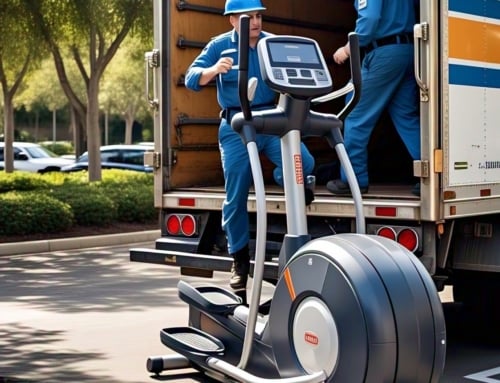
Moving a refrigerator without the proper tools is a recipe for disaster. A dolly or hand truck is a must-have for safely transporting a fridge. Here’s how to use one:
Secure the fridge: Use moving straps or bungee cords to secure the refrigerator to the dolly.
- Tilt carefully: Gently tilt the fridge back onto the dolly, ensuring it’s balanced.
- Move slowly: Work with at least one other person to guide the dolly to the truck, avoiding sudden movements.
A dolly reduces strain and makes it easier to navigate stairs or tight spaces. If you don’t own one, The Back Saver Movers can provide professional-grade equipment to ensure your fridge is moved safely.
 2. Work as a Team
Given how much a refrigerator weighs, moving it alone is not advisable. Enlist at least one or two helpers to share the load. Communicate clearly to avoid missteps, and lift with your legs—not your back—to prevent injury. If you’re unsure about handling the fridge yourself, consider hiring an appliance moving company for peace of mind.
3. Load the Refrigerator onto the Truck
Once the fridge reaches the truck, load it carefully:
- Position it upright: Refrigerators should remain upright during transport to prevent damage to the cooling system. If laying it down is unavoidable, consult the manual and let it sit upright for 24 hours before plugging it in.
- Secure it in the truck: Use straps to anchor the fridge to the truck’s interior, preventing it from shifting during transit.
The Back Saver Movers specialize in loading heavy appliances like refrigerators onto trucks safely. Their expertise ensures your fridge arrives at your new home in perfect condition.
Why Hire an Appliance Moving Company?
Moving a refrigerator is challenging, even with a dolly and helpers. That’s where an appliance moving company like The Back Saver Movers comes in to move your appliance. Here’s why professional help is worth considering:
- Experience: Movers are trained to handle heavy appliances, reducing the risk of damage or injury.
- Specialized equipment: Professionals have access to high-quality dollies, straps, and trucks designed for appliance moves.
- Efficiency: An appliance moving company can complete the job quickly, saving you time and stress.
- Insurance: Reputable companies offer insurance to cover any potential damage during the move.
The Back Saver Movers, for example, provide tailored services for moving refrigerators and other large appliances. Their team handles every step, from preparing to move your refrigerator to securing it in the truck, ensuring a hassle-free experience.
To connect with The Back Saver Movers contact us and request a free quote. You’ll receive up to seven no-obligation estimates, making it easy to find a service that fits your budget.
Additional Tips for a Smooth Move
To wrap up, here are a few extra tips to ensure your refrigerator and other appliances move goes smoothly:
- Measure doorways and hallways: Confirm that the fridge can fit through all entryways in both your old and new homes.
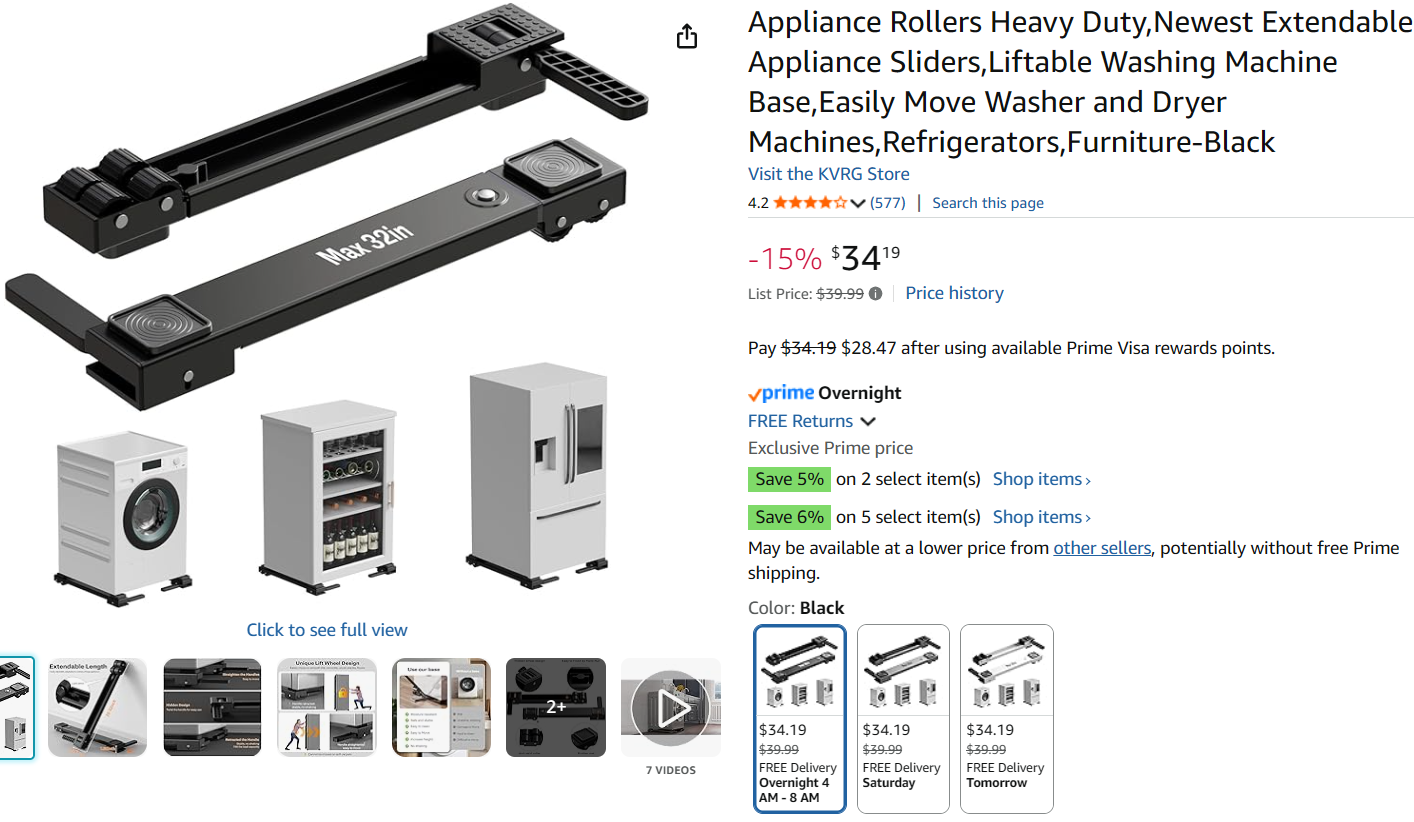
- Protect your floors: Use furniture sliders or cardboard to prevent scratches while moving the fridge.
- Plan the route: Clear a path to the truck to avoid obstacles.
- Check the weather: If moving in rain or snow, cover the fridge to protect it from moisture.
 By taking these precautions and preparing to move your refrigerator thoroughly, you’ll minimize stress and protect your appliance.
With the proper planning moving a refrigerator will be easy!
So, how much does a refrigerator weigh? On average, 180 to 360 pounds, but the exact weight depends on the model. Moving a fridge is a big job that requires careful planning, the right tools like a dolly, and often the expertise of an appliance moving company. By preparing to move your refrigerator properly—emptying it, cleaning it, and possibly removing the door—you can make the process easier. For a stress-free move, consider hiring The Back Saver Movers, who specialize in safely transporting heavy appliances to the truck and beyond.
For more moving tips, check out the extensive resources available through The Back Saver Movers’ moving blog, where you’ll find guides on all aspects of relocation. Whether you’re curious about how much a fridge weighs or need help with other moving challenges, they’ve got you covered.